Lucas Talbotier
lives and works in Paris
b. 1994, France
biography
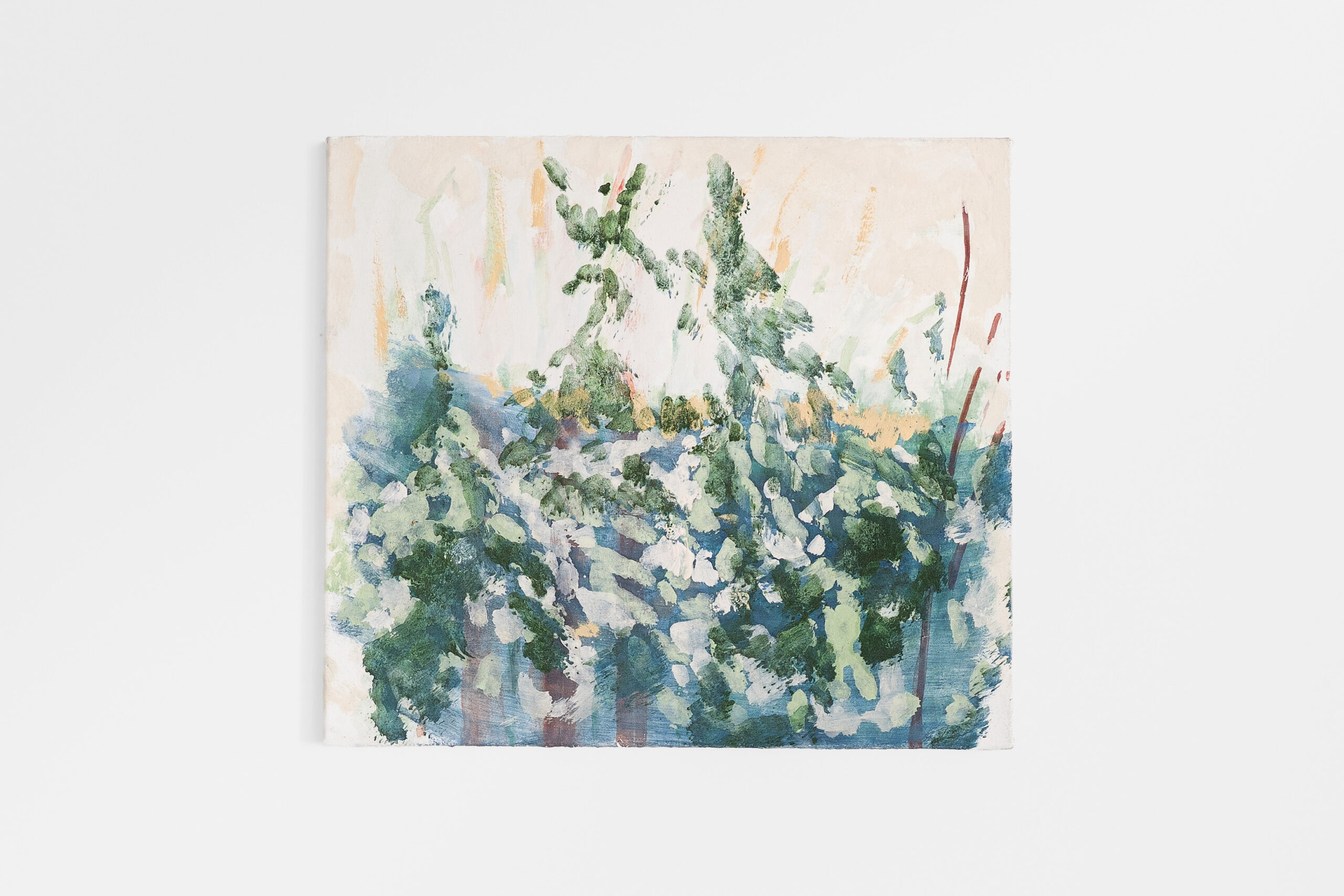
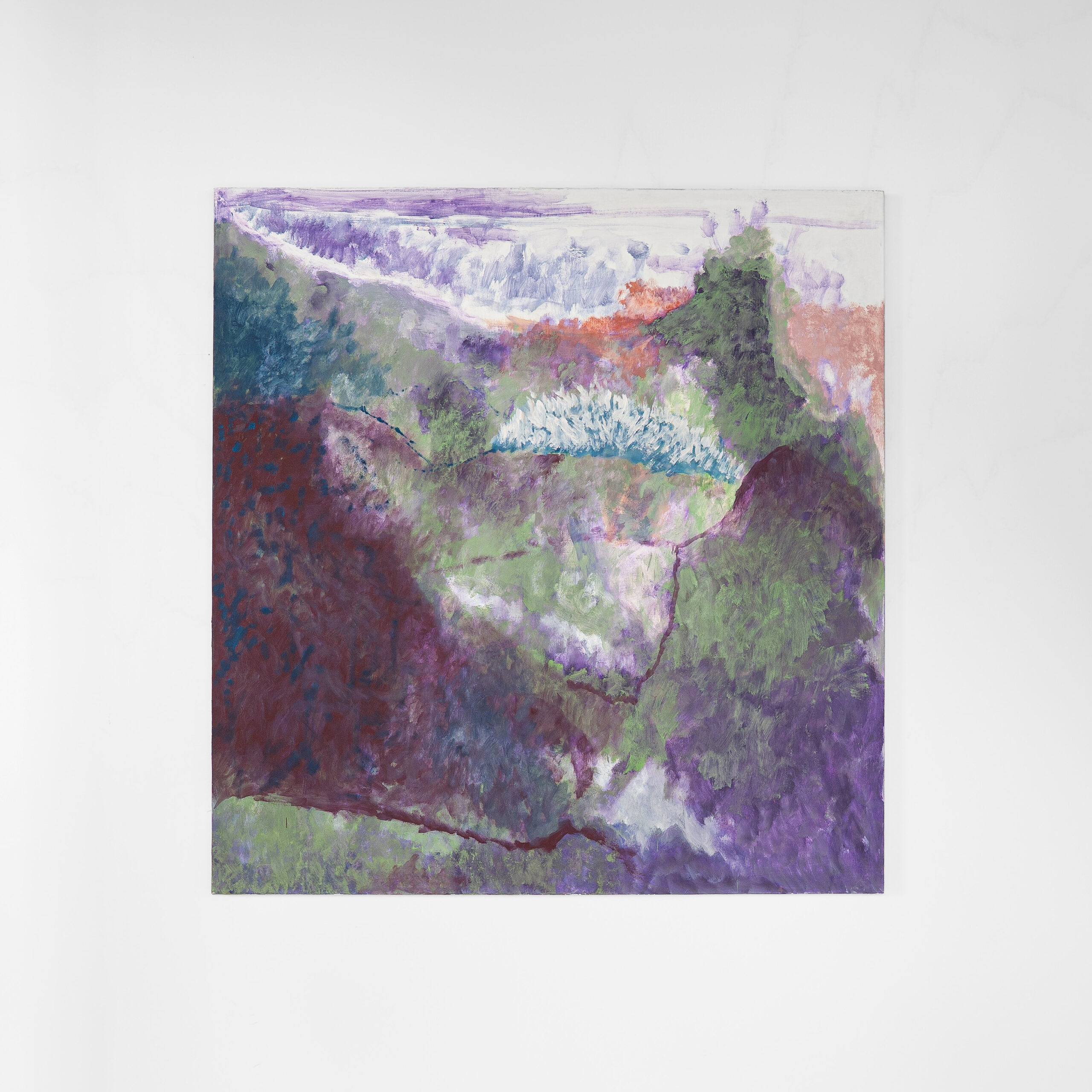
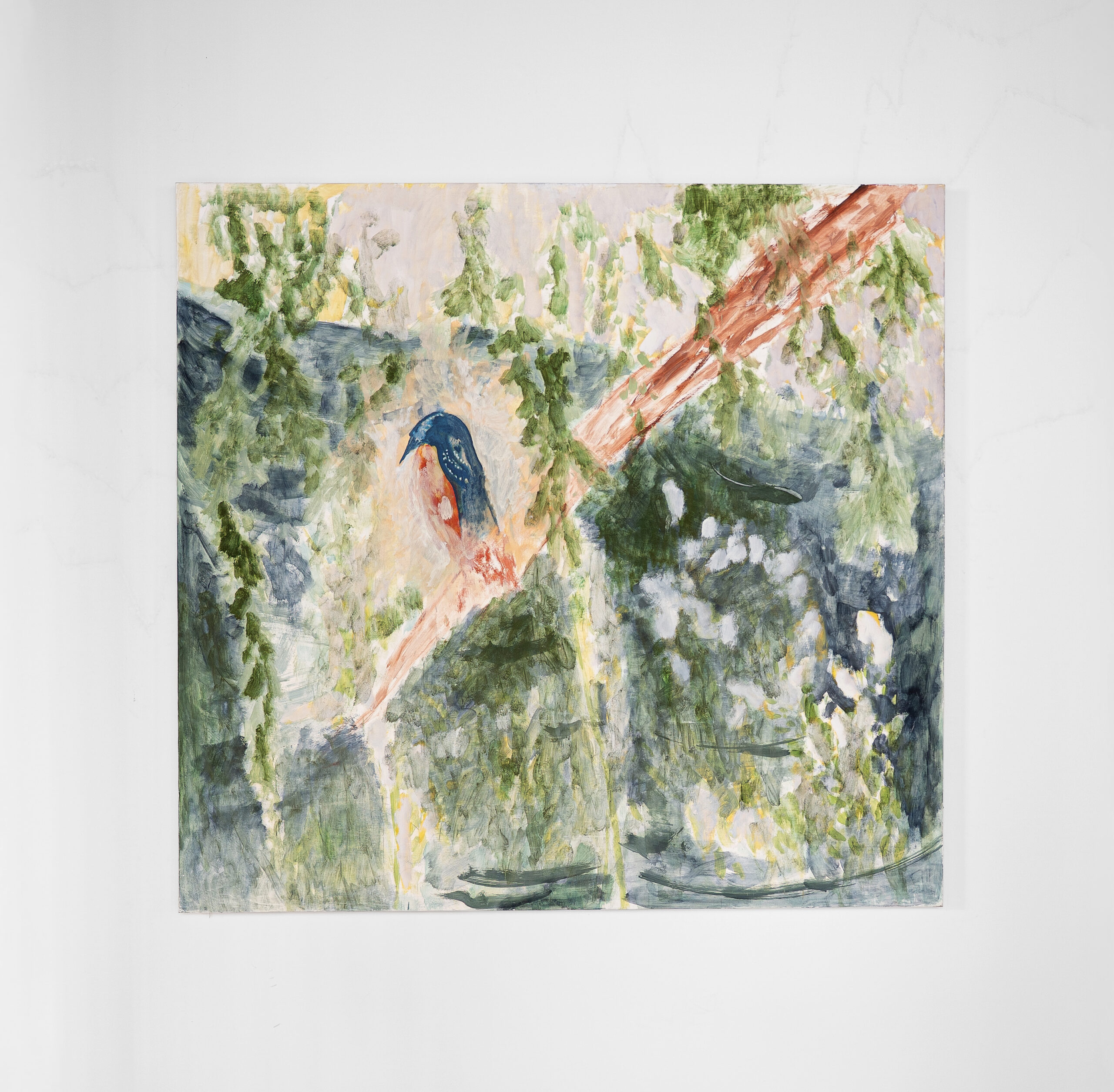
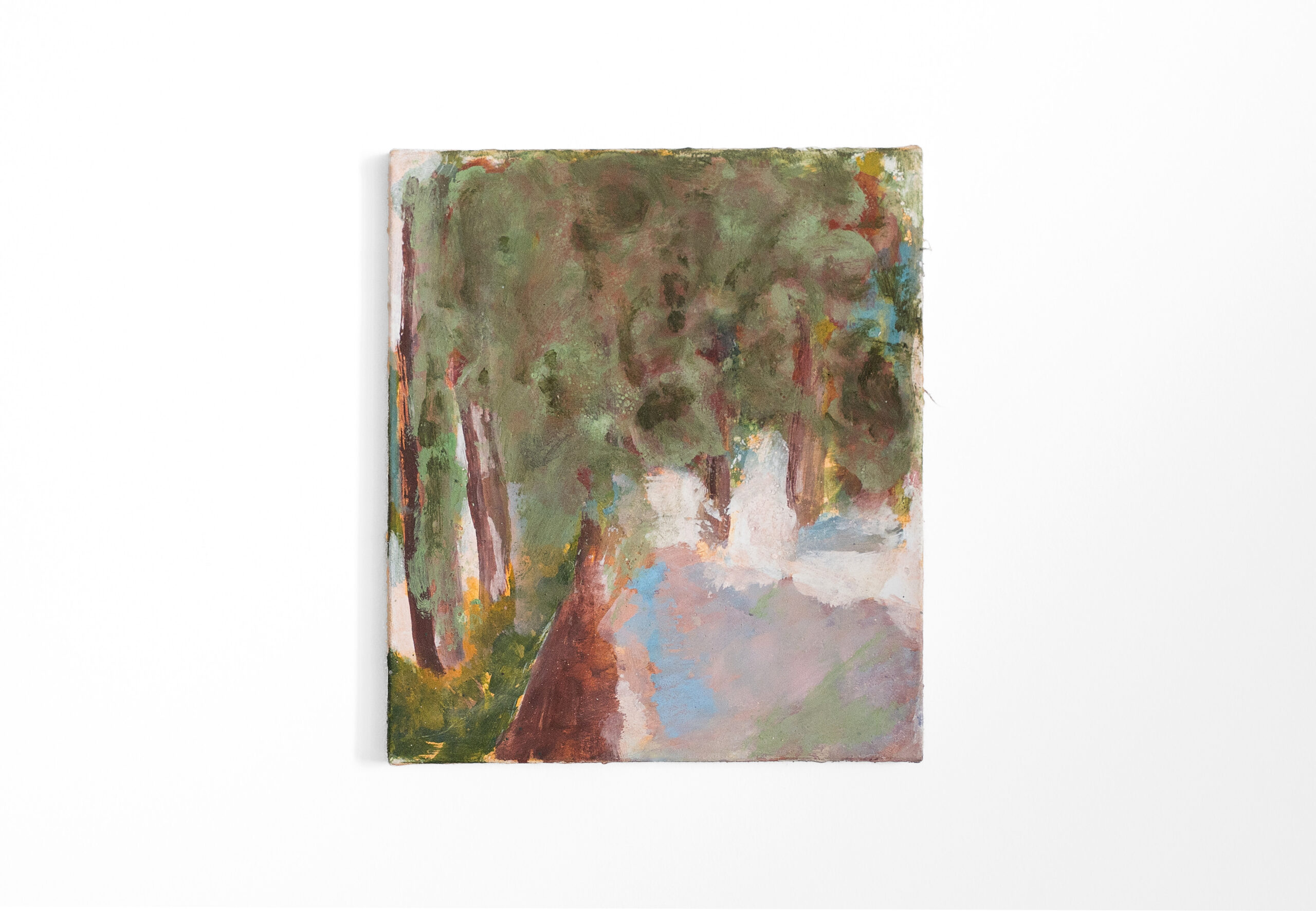
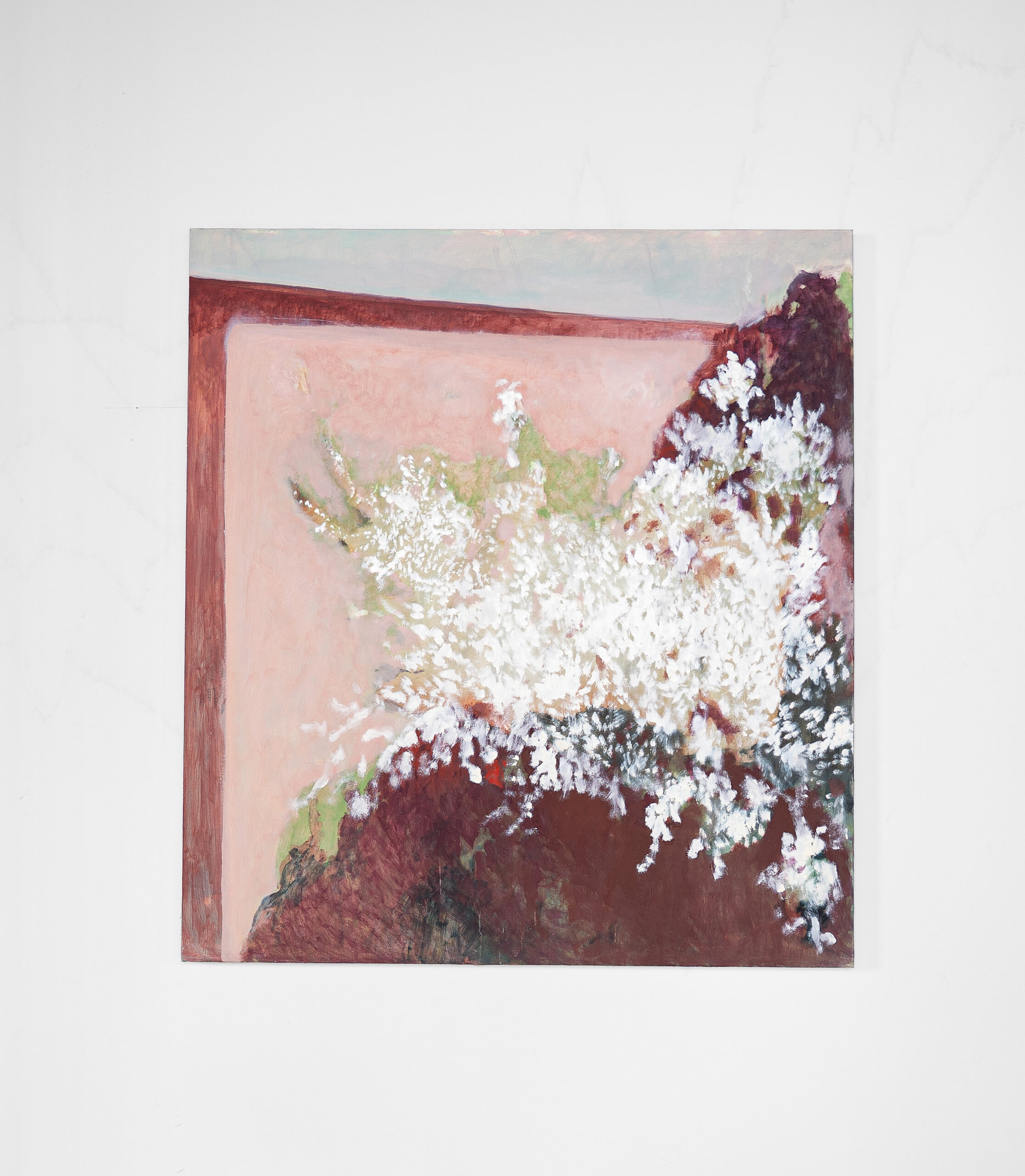
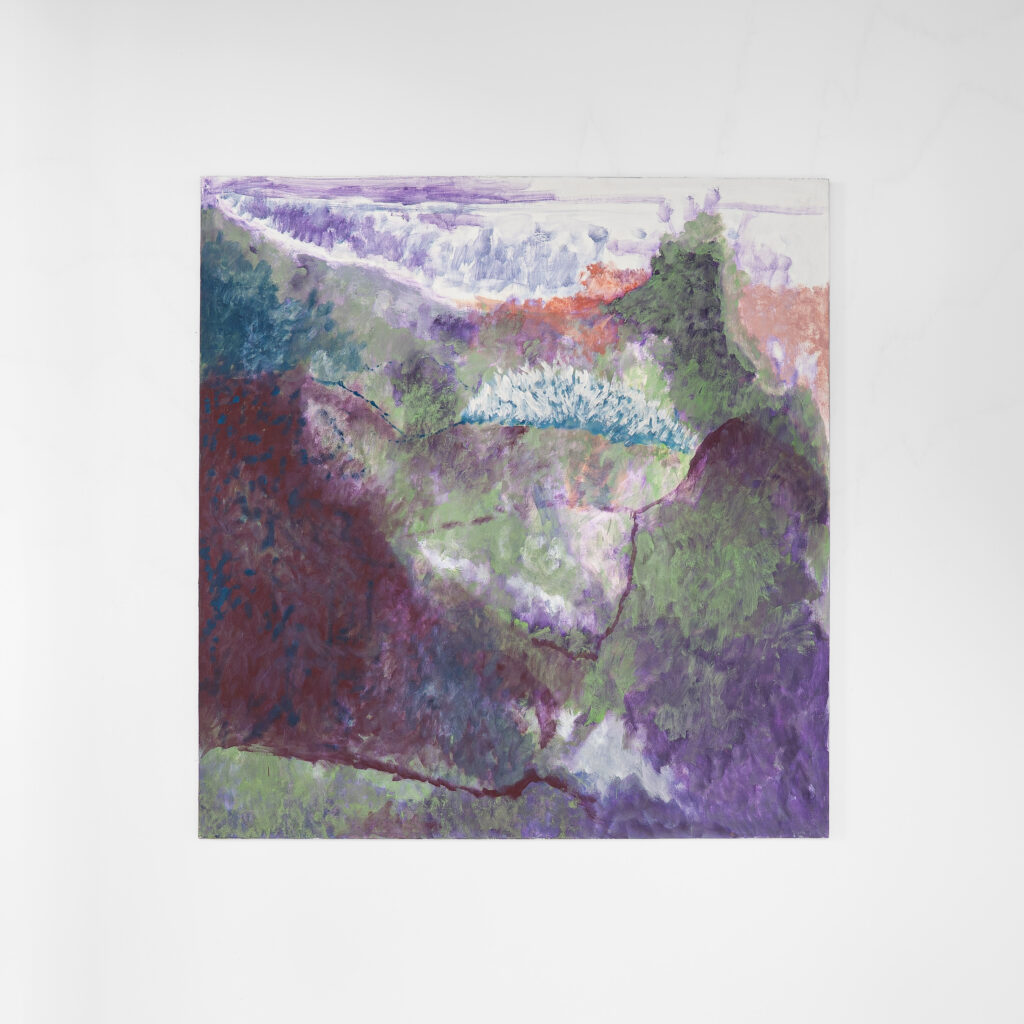
Lucas Talbotier develops a painterly language at the threshold between landscape and abstraction, where the image is constructed from memory rather than direct perception. His works do not describe a place, but rather convey its trace: fragments of sensations, luminous impressions, what lingers in memory after lived experience.
A few figurative markers, a branch, a horizon line, a trunk, occasionally surface, yet they remain secondary, almost dissolved within a pictorial space dominated by light and color.
> read full biography
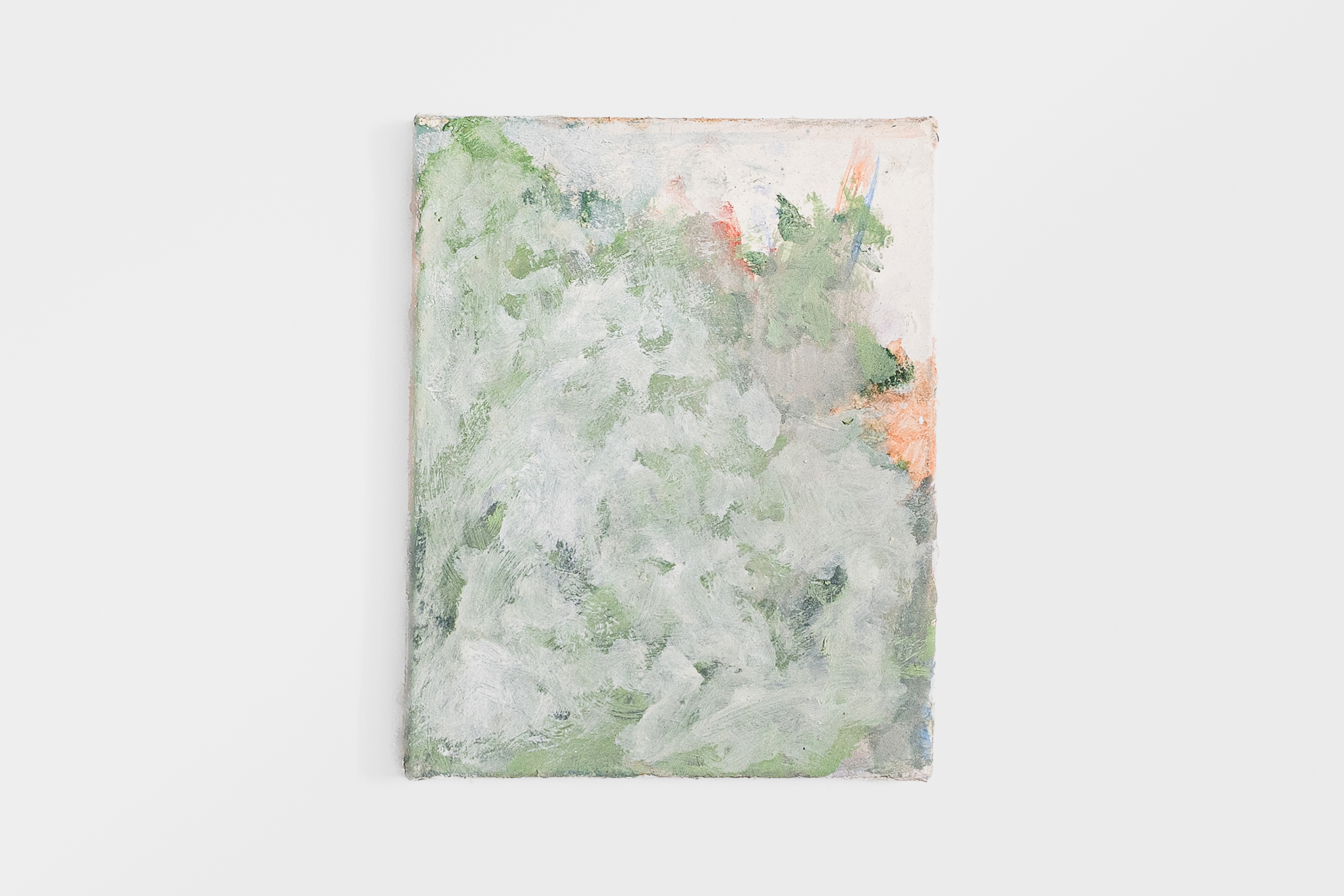
His work is structured around a particular attention to the physical quality of light, to chromatic balances, and to simple forms that are both structured and expressive. The surface of the canvas becomes a site of tension: between appearance and disappearance, between the intensity of pigments and their gradual fading beneath paler veils. This process of layering, often involving whites, introduces a singular visual rhythm, as if the image were revealed in strata, hinting at a broader landscape that remains never fully accessible.
Trained at the École des Beaux-Arts in Paris, following a period at the Rhode Island School of Design, Lucas Talbotier belongs to a generation of painters who return to the fundamentals of the medium while simultaneously questioning its very conditions. He produces his own pigments, works the material, sands his surfaces, giving his works an almost mineral dimension, somewhere between fresco and easel painting. This approach reinforces the ambivalence of his work, both gestural and restrained, dense yet fragile.
Within his compositions, oppositions structure the pictorial space: flat areas of color respond to zones of erasure, harmonious forms are disrupted by ruptures, broad gestures give way to more fragmented interventions. These tensions reflect a meditation on time, both suspended and in motion, and on memory, always partial, always recomposed.
Born in 1994 in Paris, where he lives and works, Lucas Talbotier pursues a demanding painterly inquiry, oriented toward what painting can grasp of lived experience: not its visible form, but what it leaves behind, something elusive, a sensation that persists without ever being named.