Christian Sorg
lives and works between Paris and Vezelay
b. 1941, France
biography
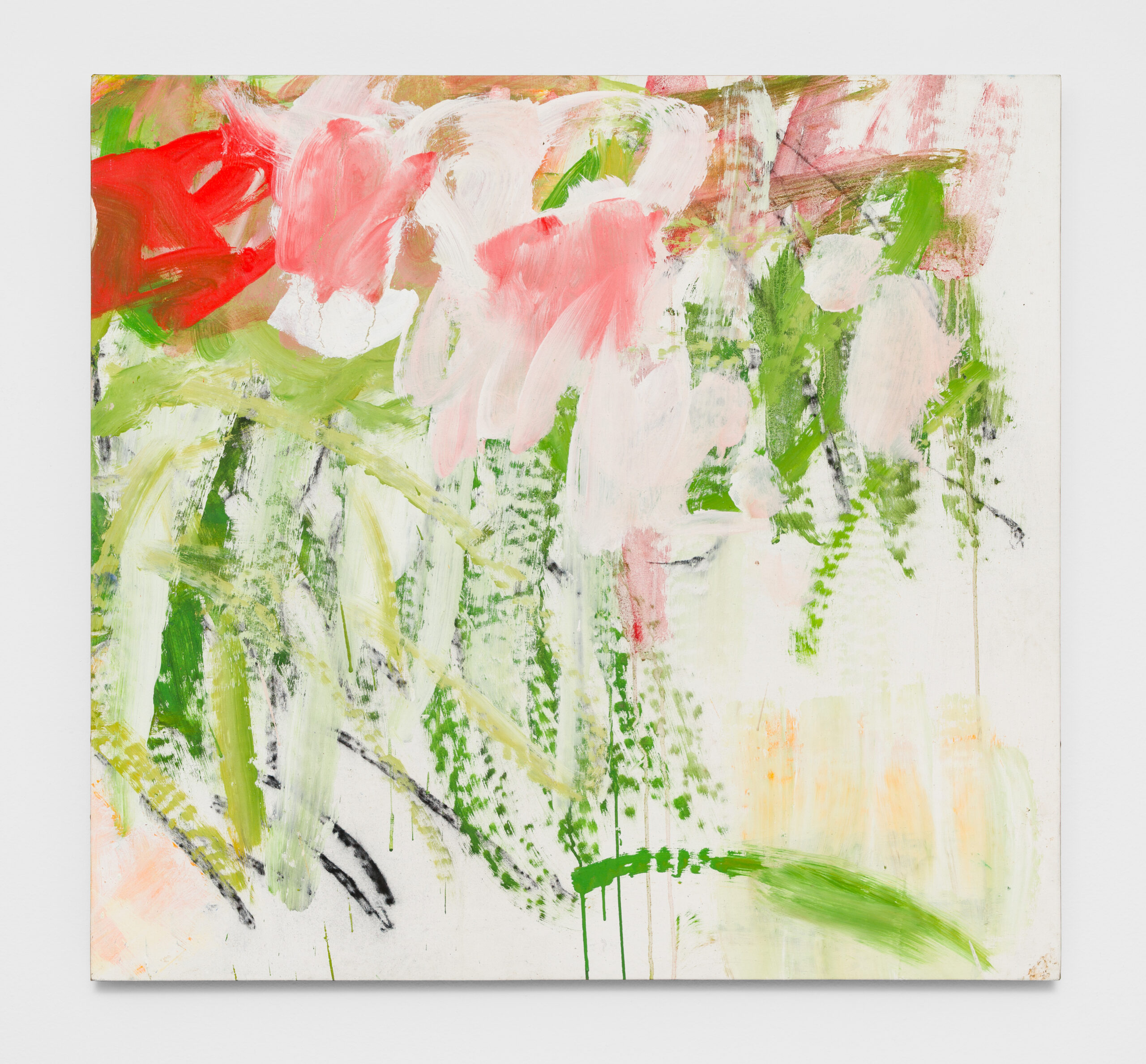
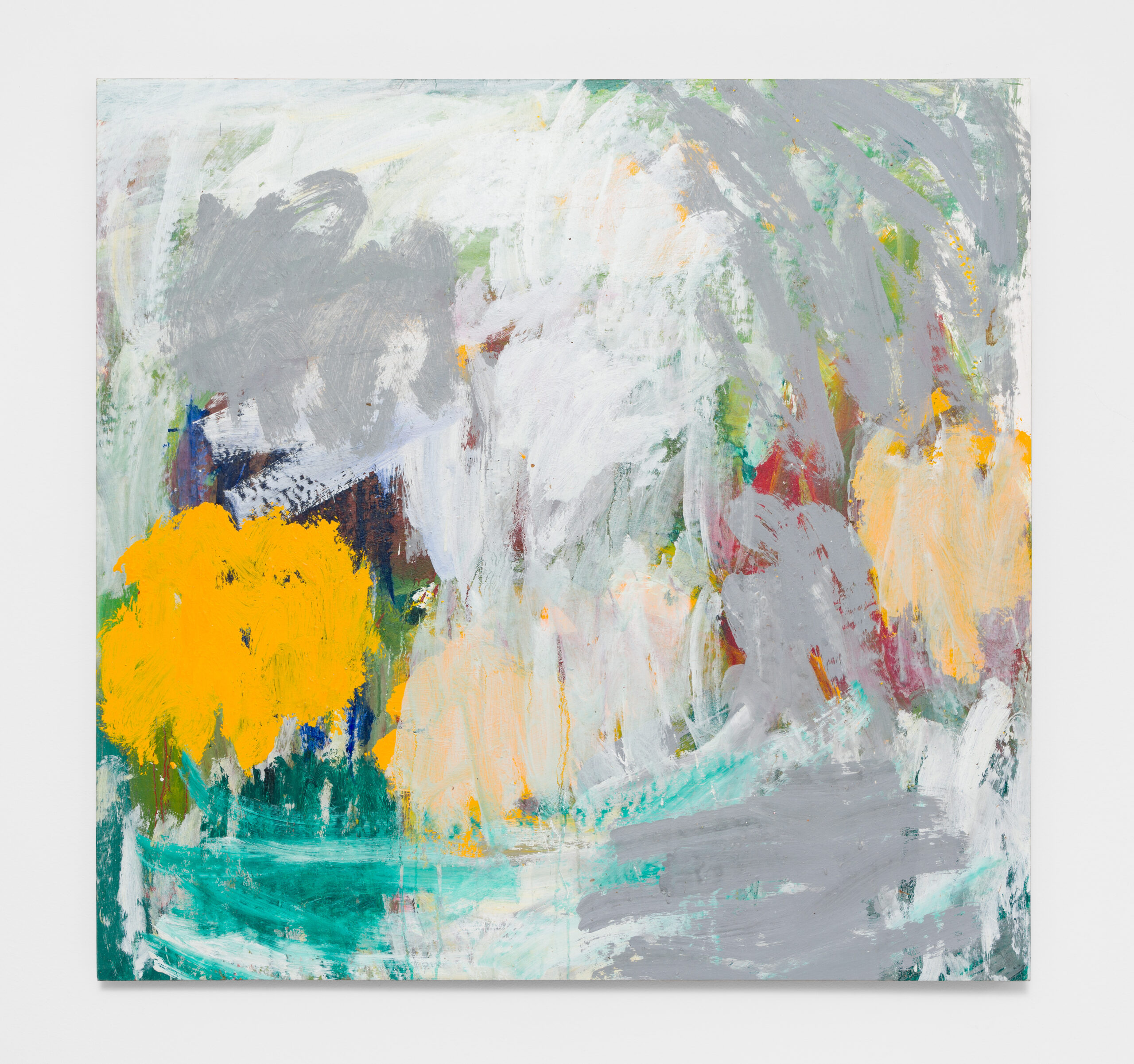
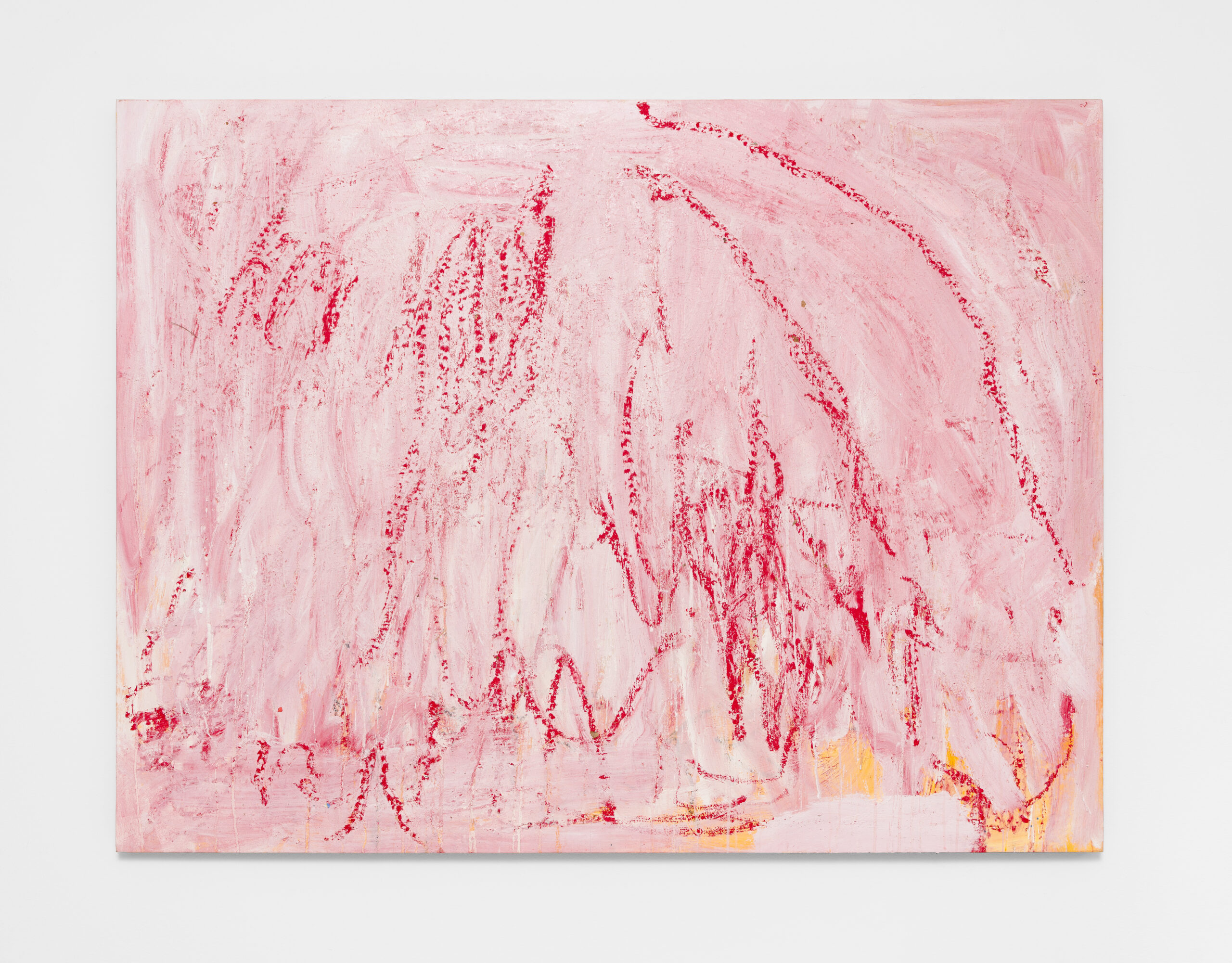
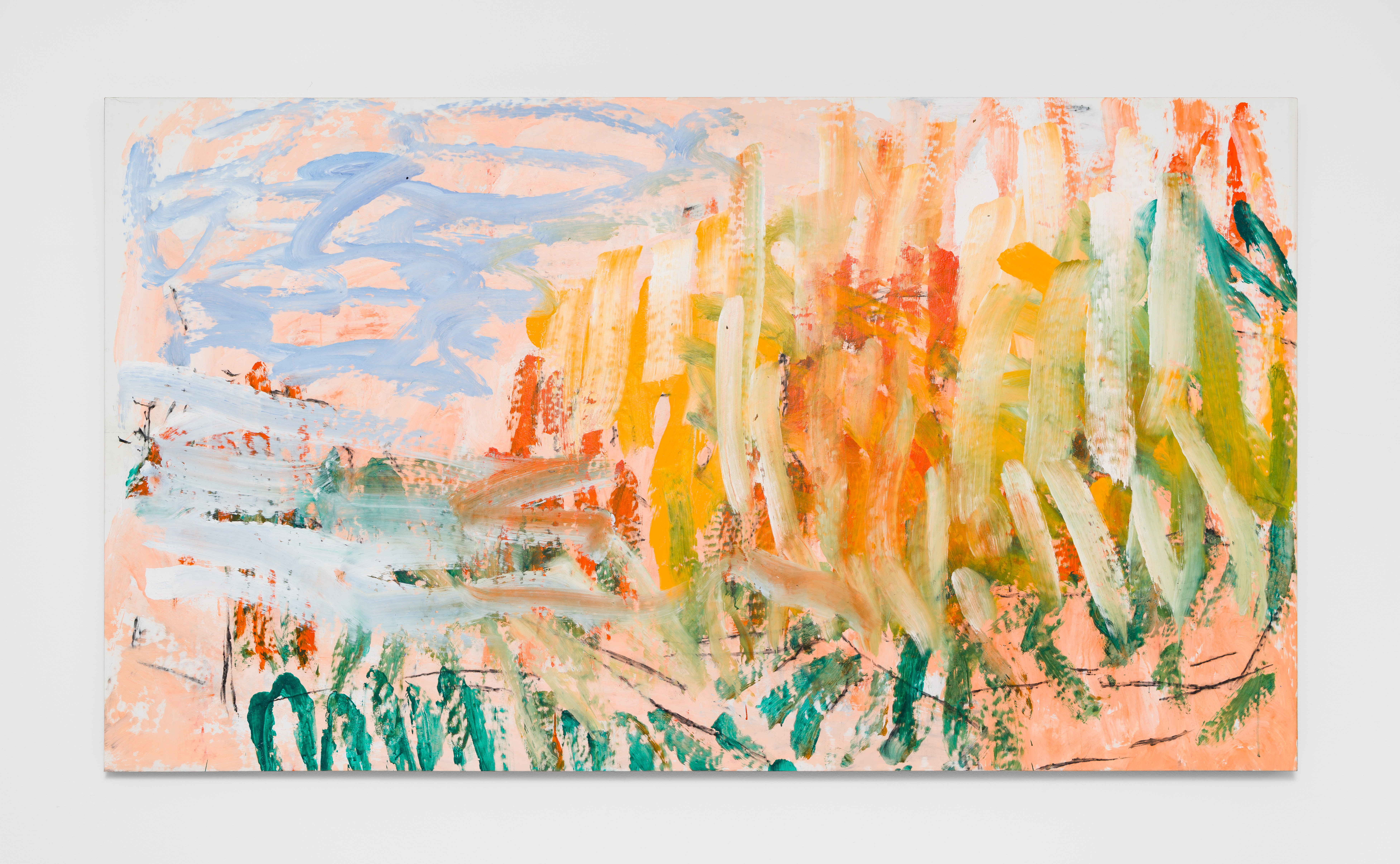
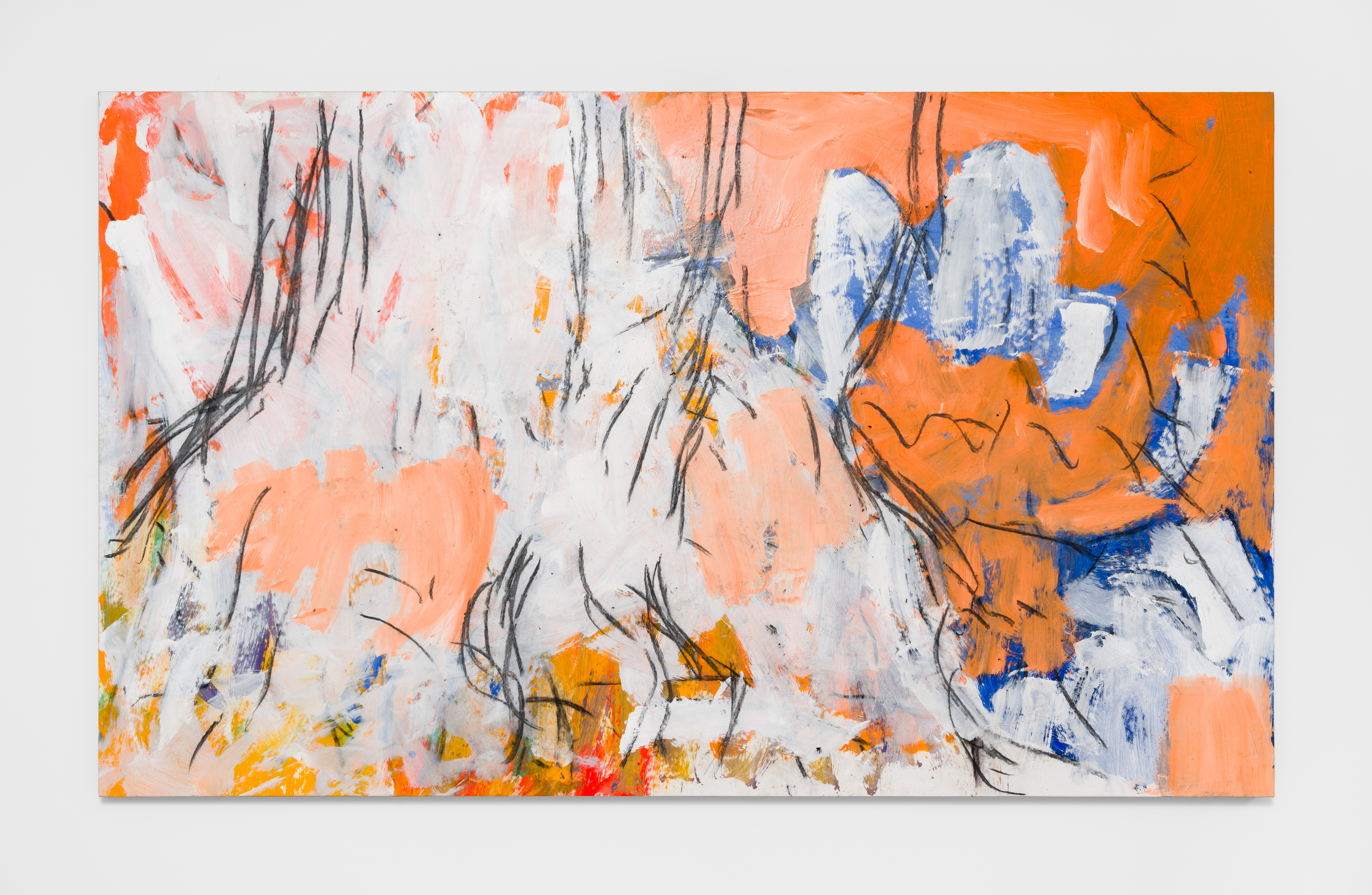
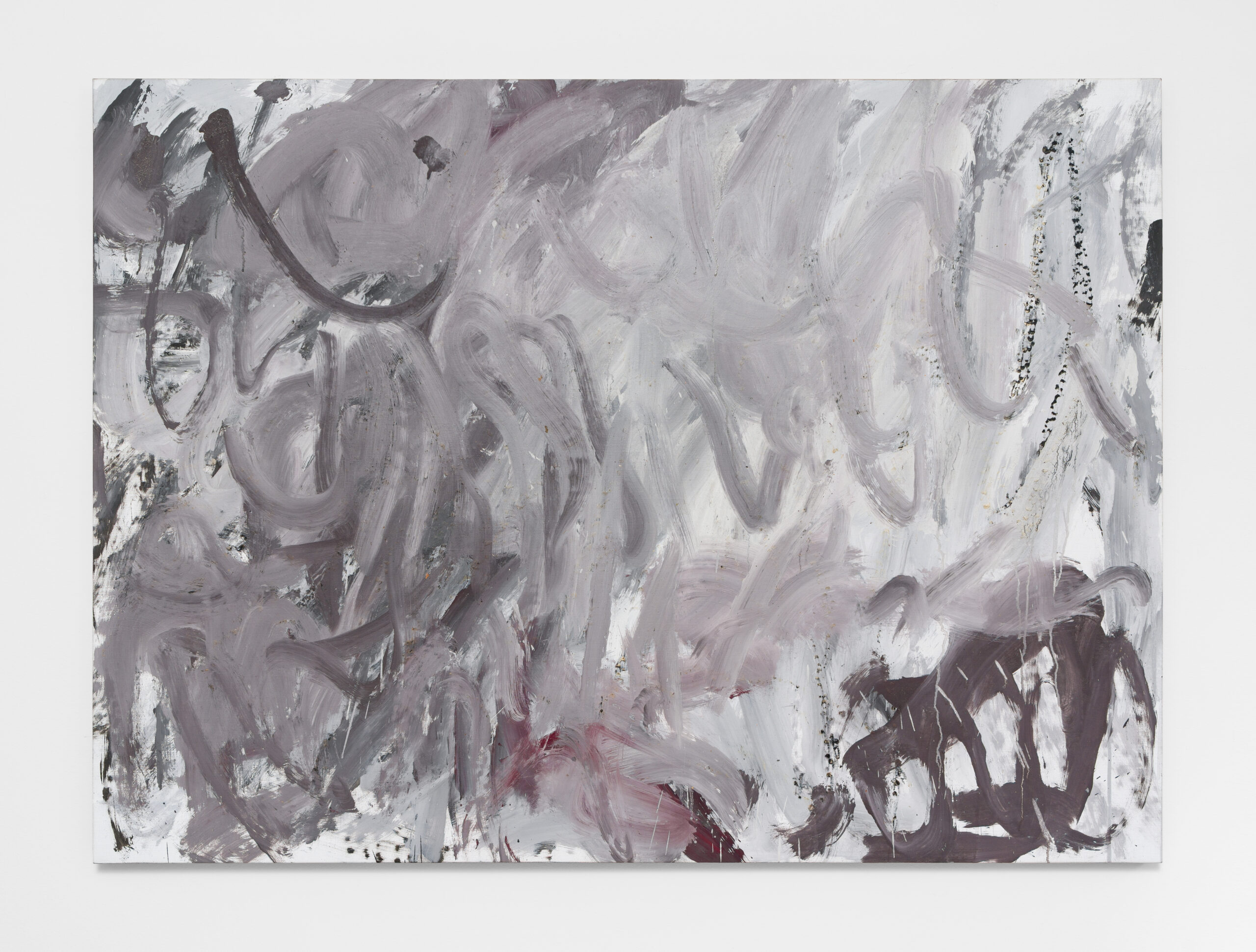
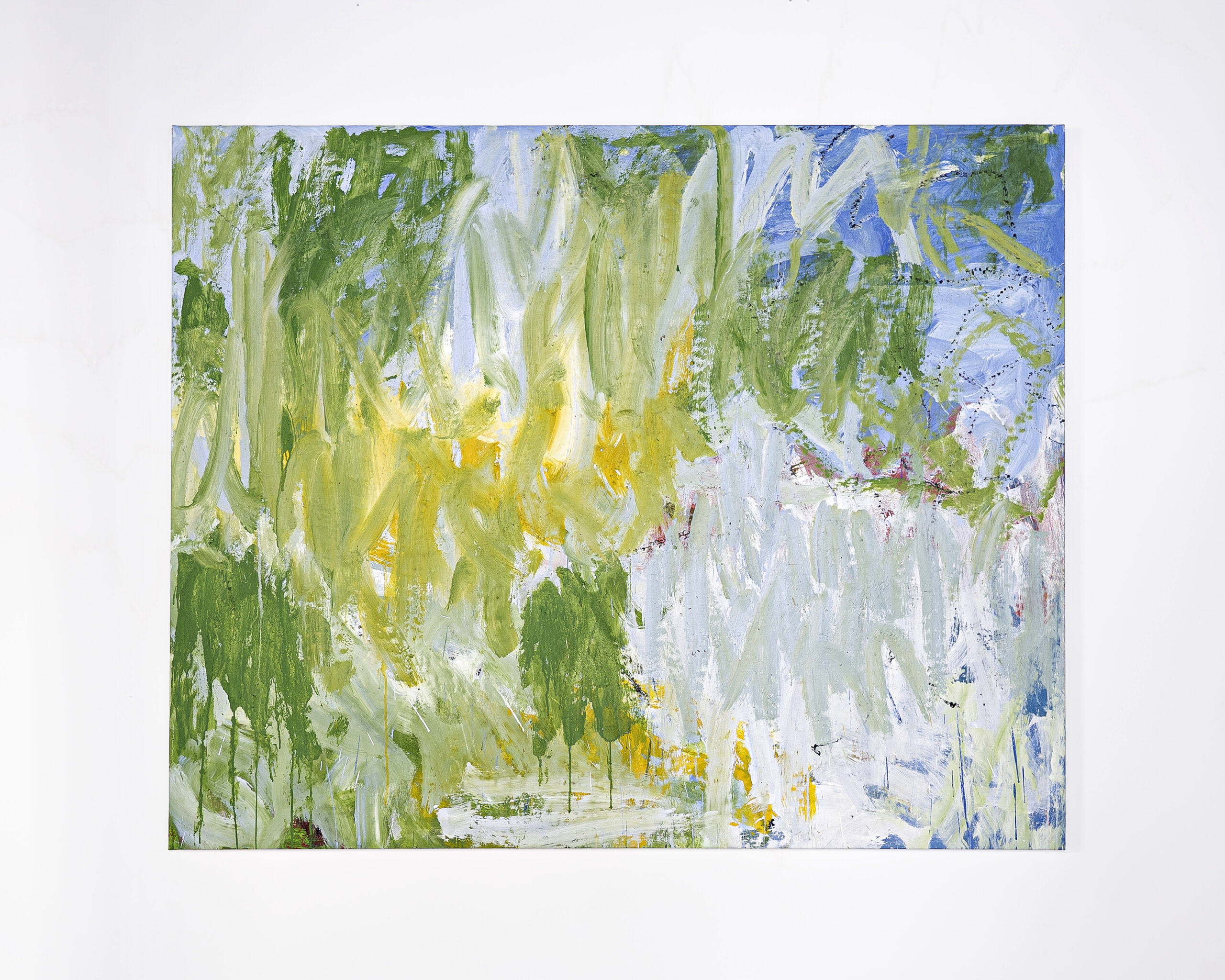
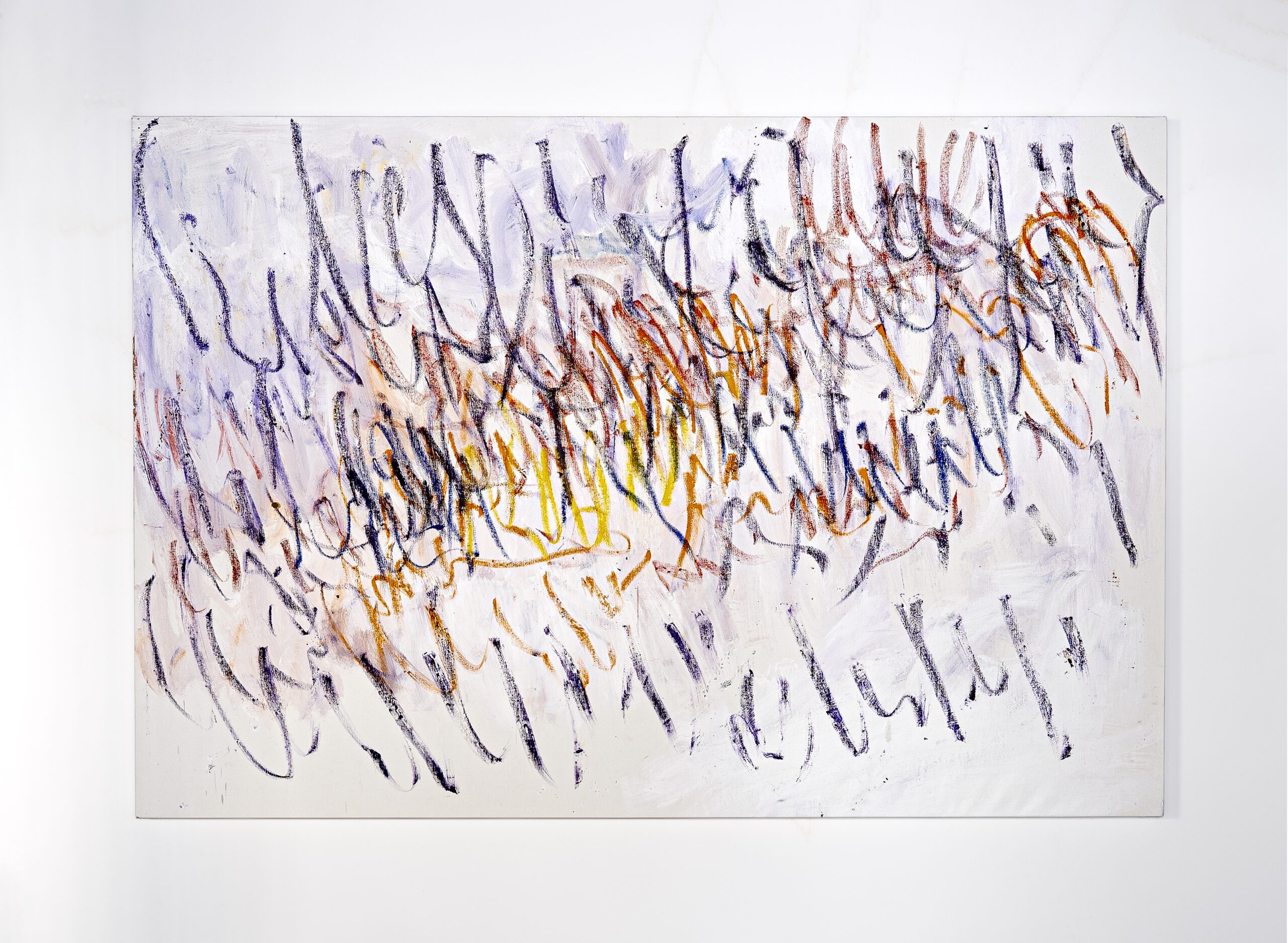
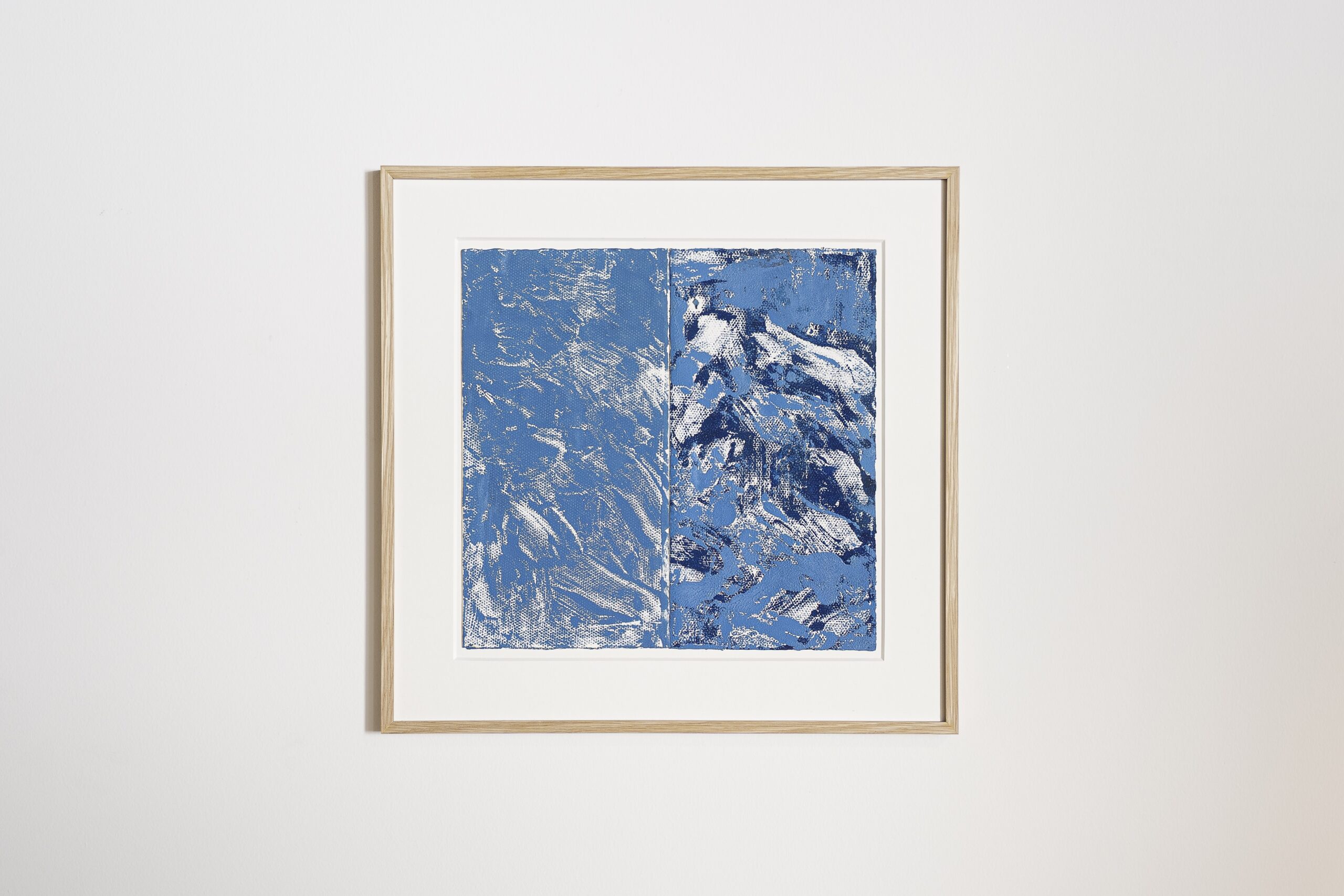
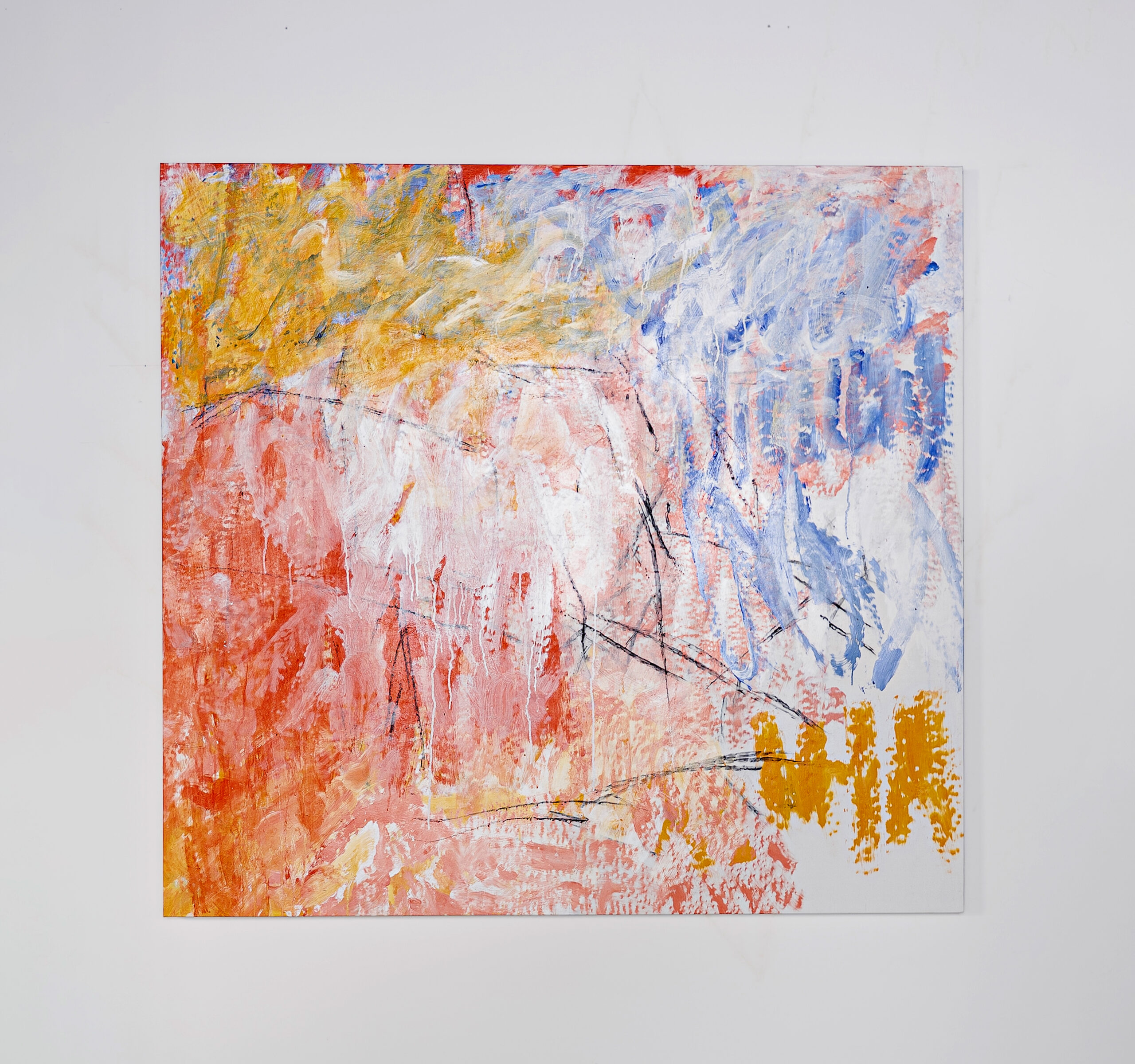
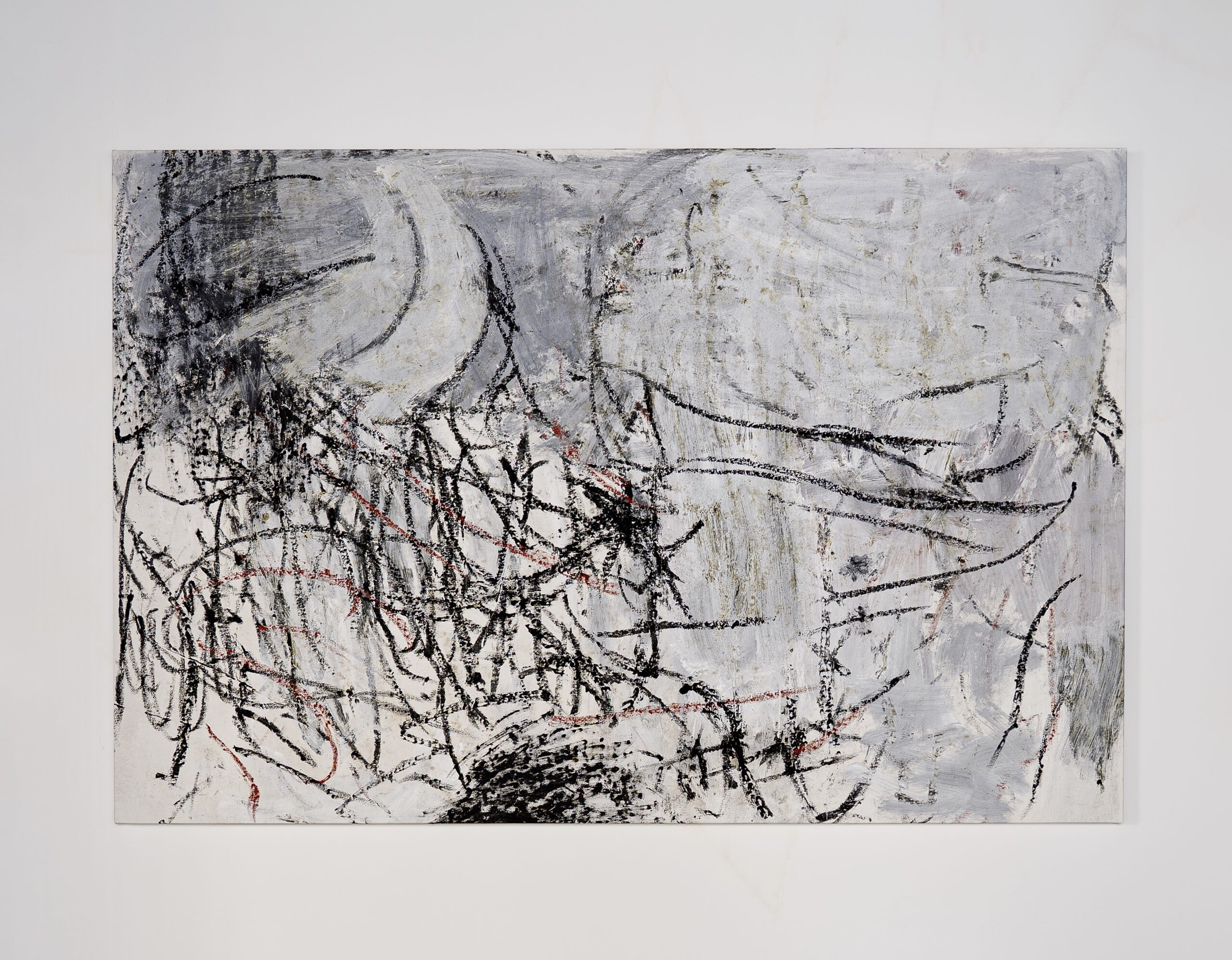
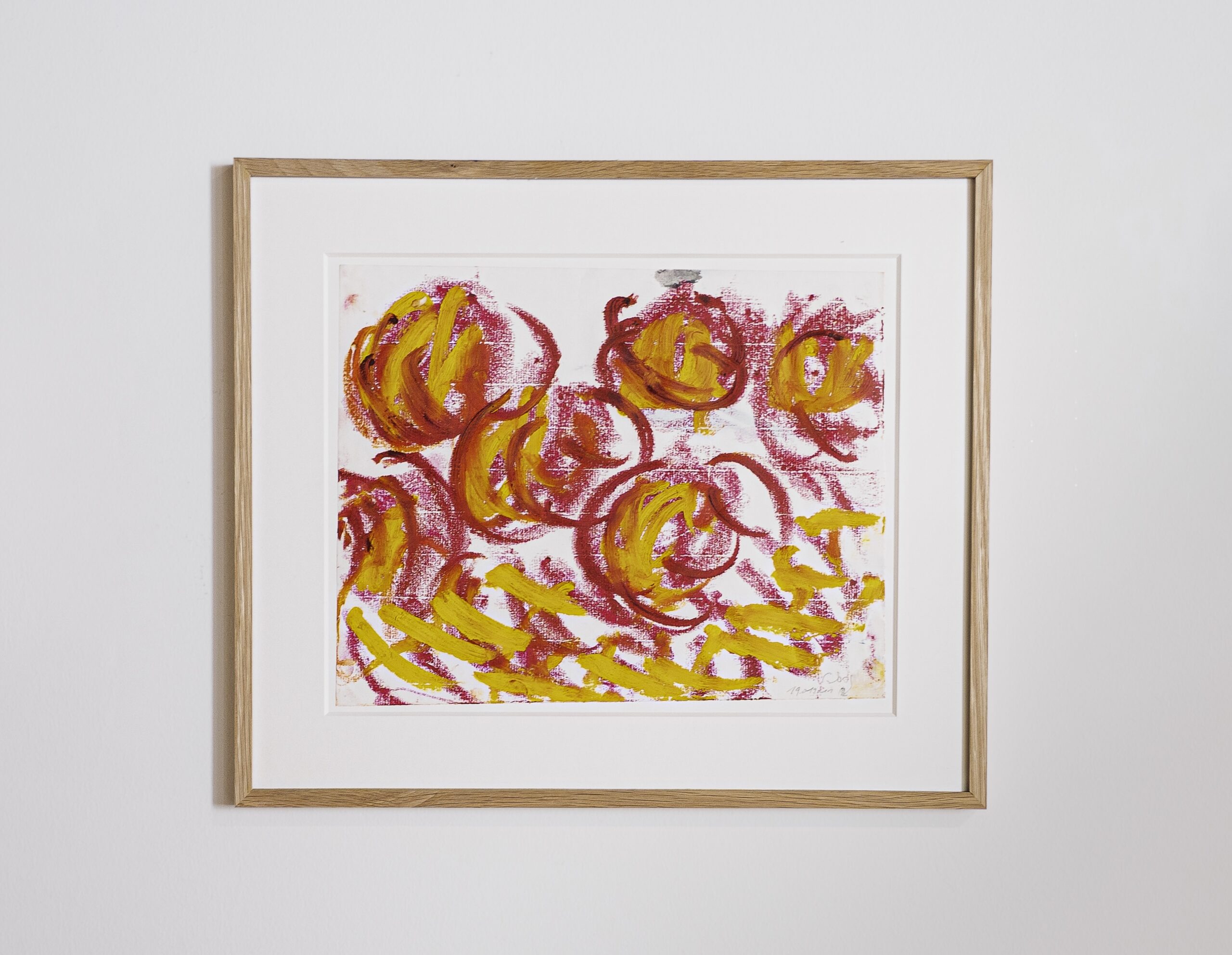
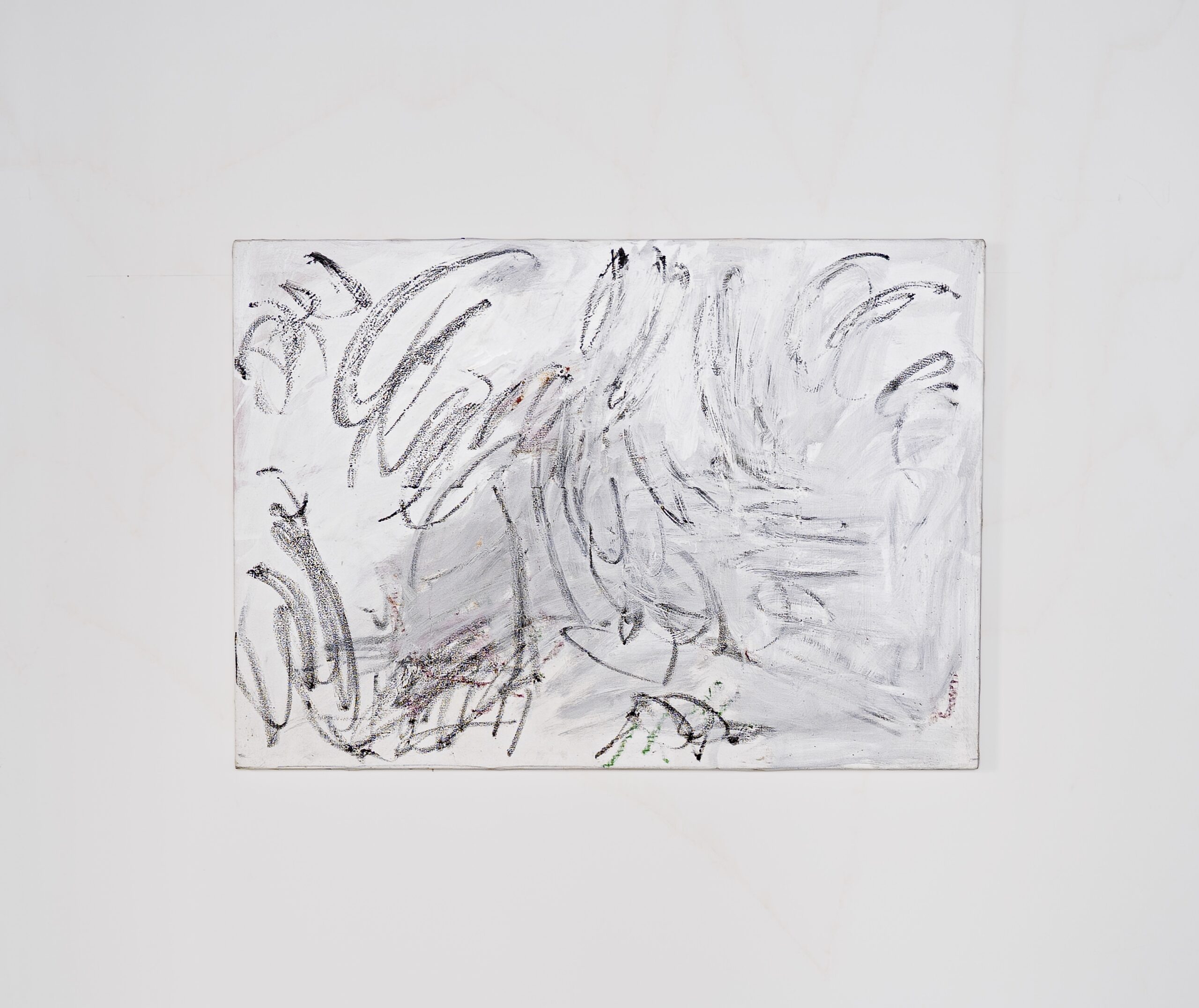
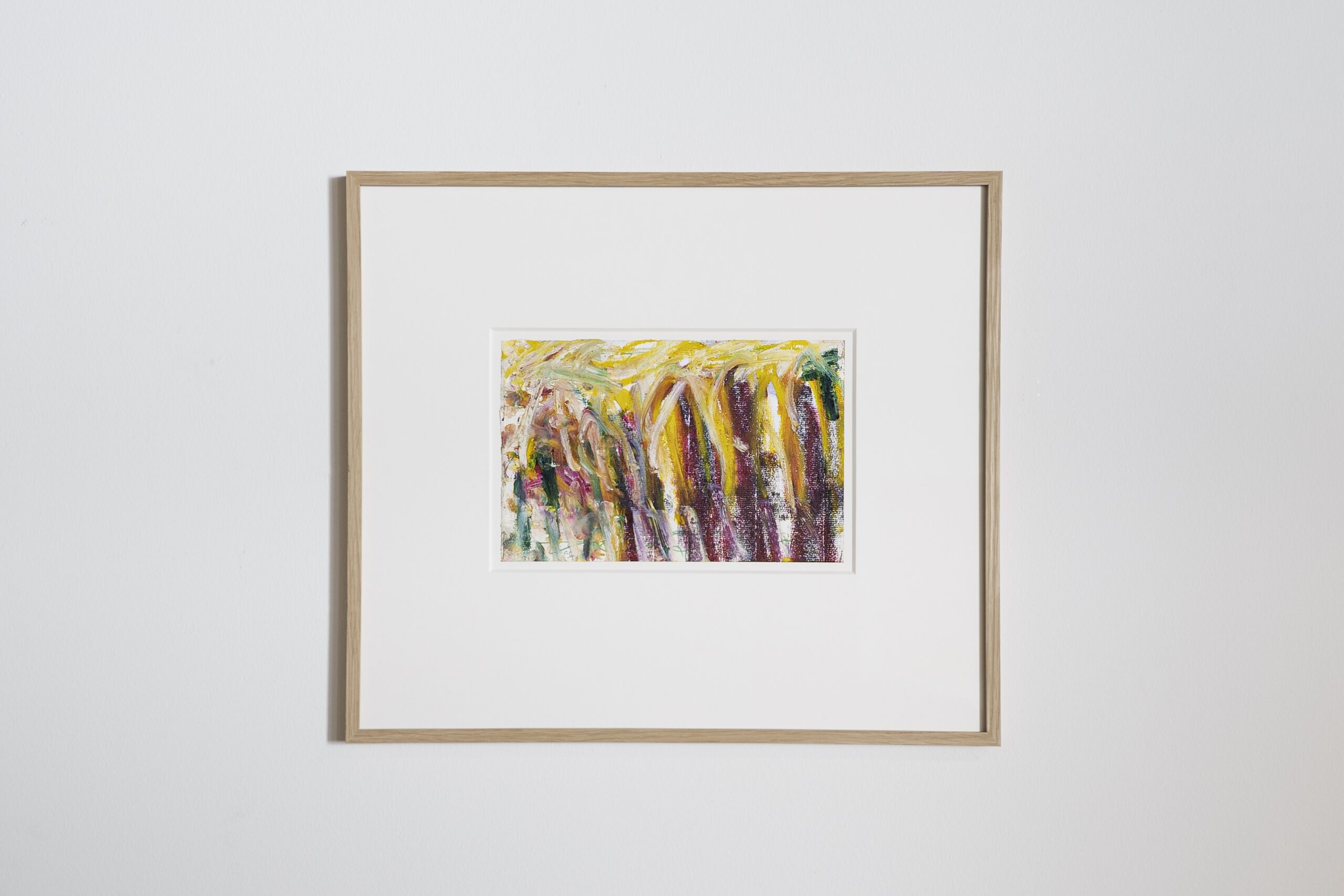
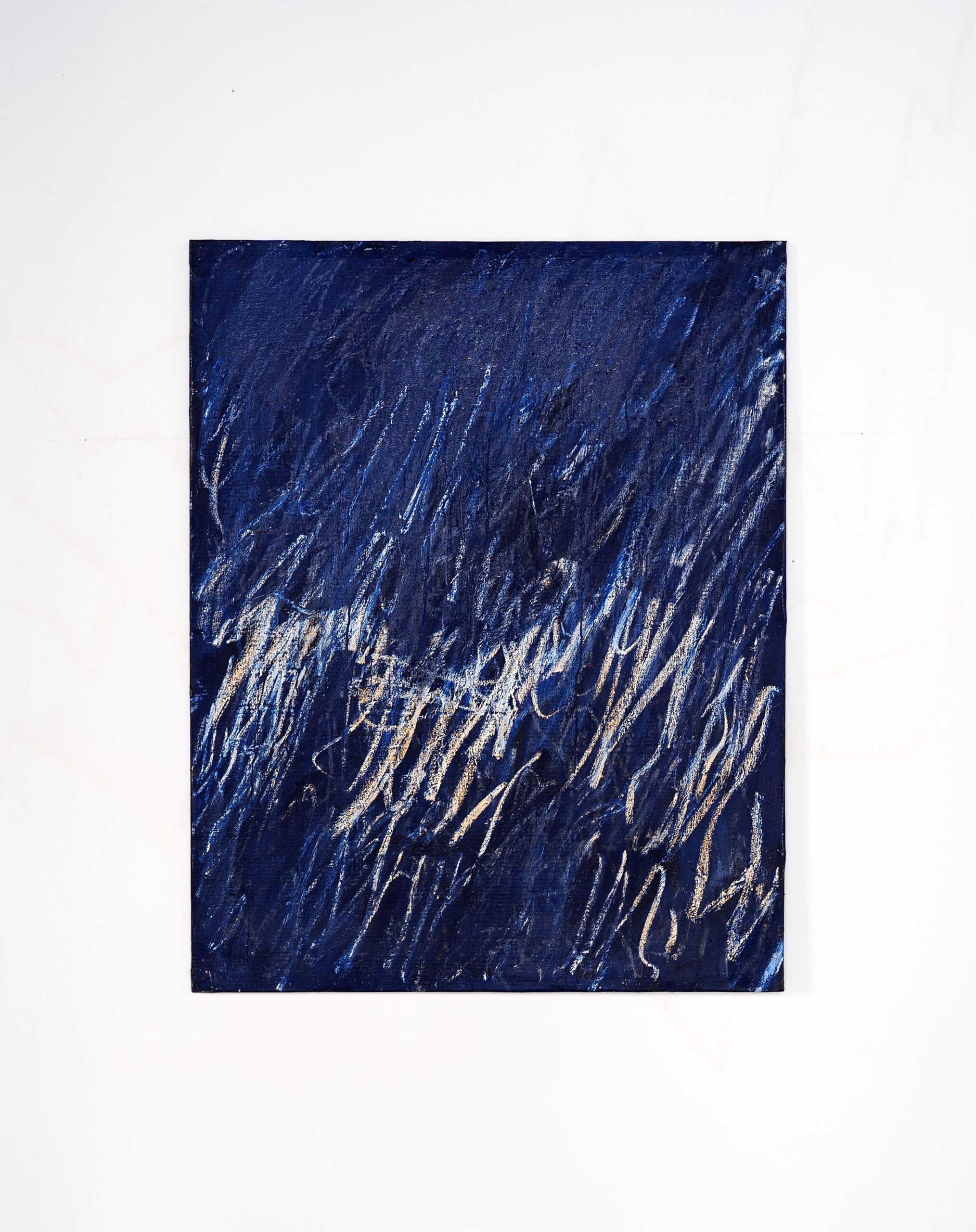
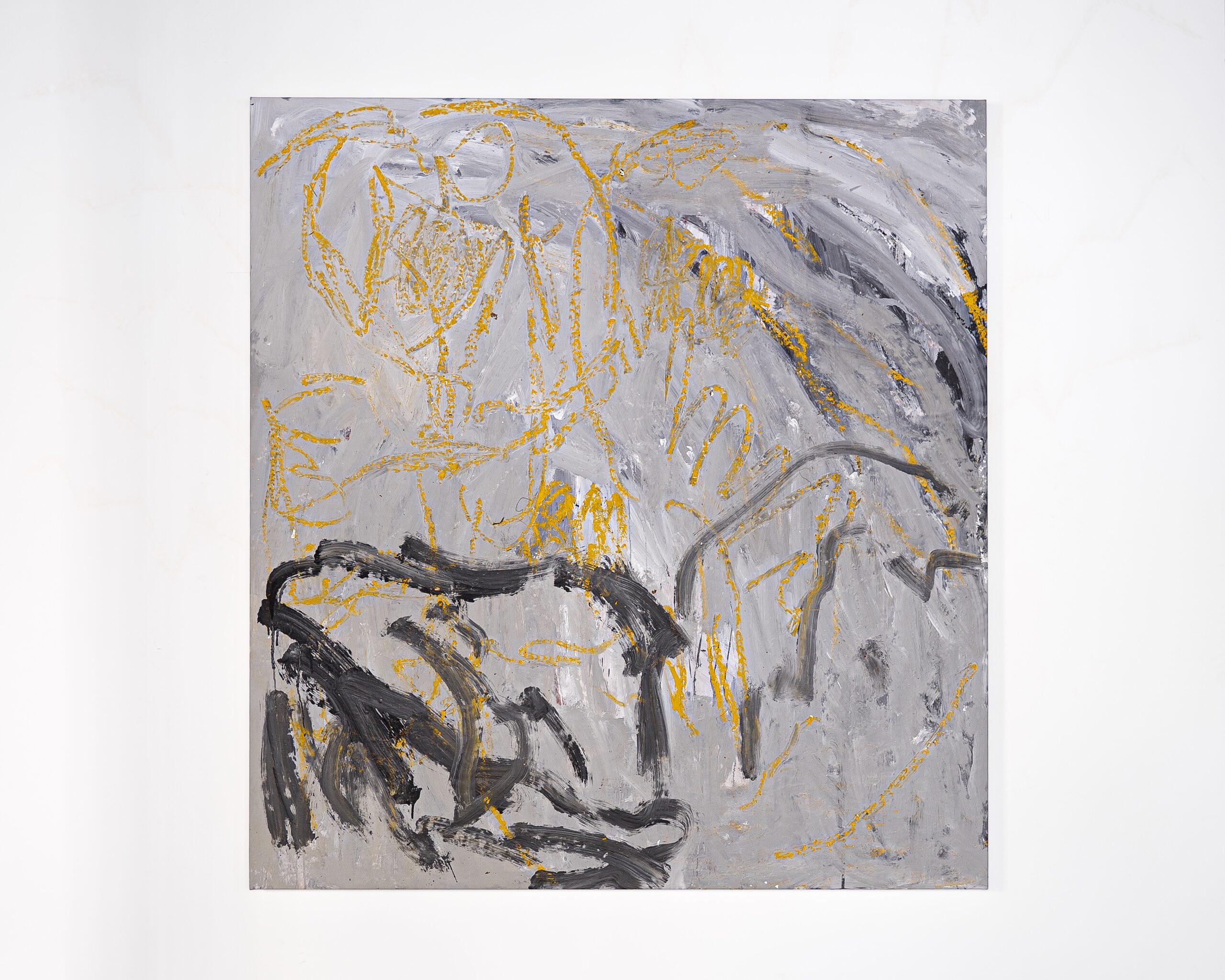
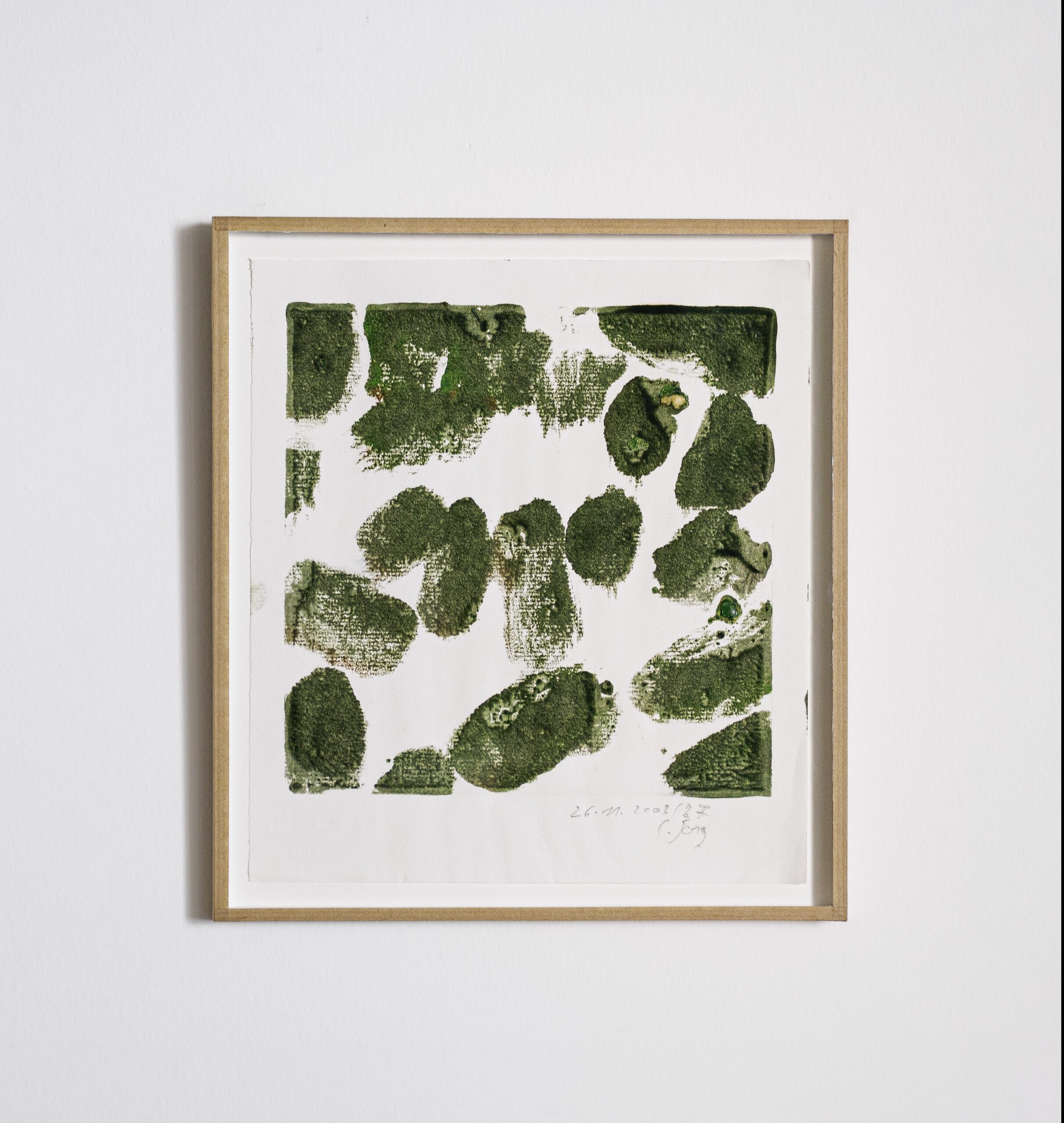
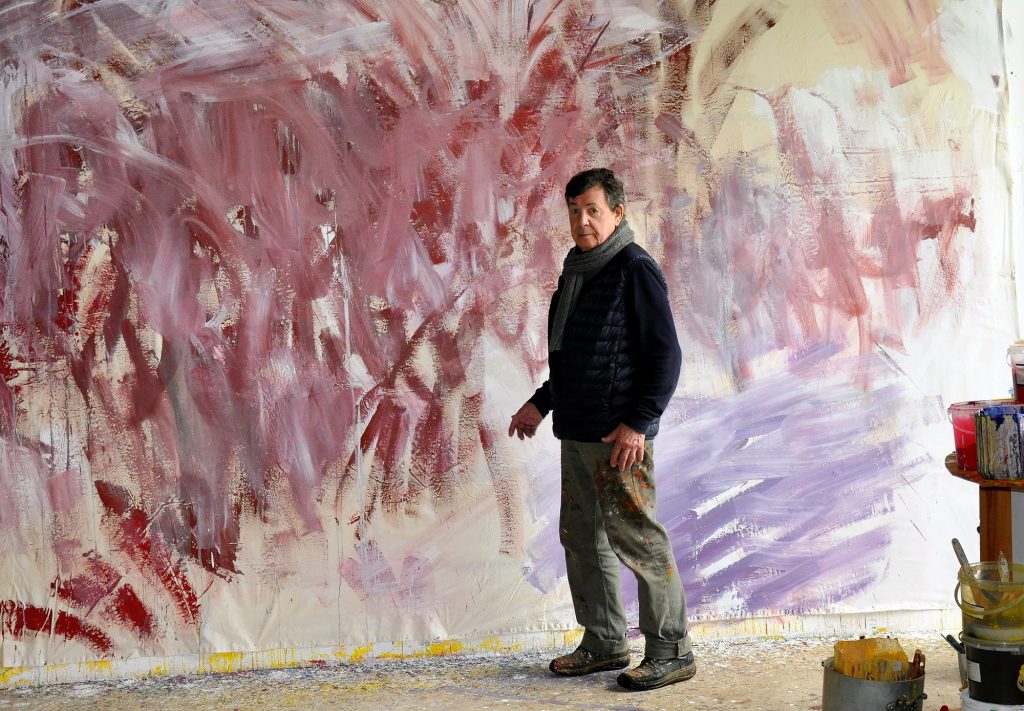
Christian Sorg develops a singular pictorial language, situated at the threshold between abstraction and lived experience. His painting does not seek to represent the world, but to convey its presence through gesture, trace, and the immediate intensity of perception. For him, painting is both subject and process: a constant inquiry in which each work appears as a renewed conquest, always open, never definitively resolved.
> read full biography
Christian Sorg is neither a figurative painter nor a representative of pure abstraction, nor is he a formalist. His work is constructed within a space of tension between these different modes. It is from his early experience of figuration, youthful works, landscapes, still lifes, as well as his engagement with abstraction from the 1970s onward, through large-scale collages and fields of color, that he gradually attains a greater freedom in painting. This trajectory sustains an ongoing investigation: he continuously questions his personal relationship to painting in direct connection with reality.
Early on, his work was recognized within the French art scene. He notably participated in Travaux Paris 77 at the Musée d’Art moderne de la Ville de Paris, followed by the exhibition Tendances de l’Art en France in 1979, within the curatorial framework of Marcelin Pleynet.
His practice is grounded in a total freedom of action, where gesture, sometimes sharp and incisive, sometimes softer and more restrained, structures the pictorial space and activates its lines of force.
Since the early 1990s, his work has been deeply marked by his stays in Aragon, as well as by his proximity to prehistoric sites such as those of the Levant and Arcy-sur-Cure. These experiences give rise to a form of pictorial calligraphy, through which he translates the physical and emotional impact of landscapes, ancient traces, and elemental forces. His painting thus resonates with the earliest gestures of humanity, while remaining anchored in lived experience, between the fragility of the world and the fleeting intensity of life.
These are not abstractions in the strict sense, but condensed perceptions, things seen, felt, and then reactivated through painting. The work oscillates between construction and rupture, continuity and dissonance, giving rise to a vibrant and unstable equilibrium.
From France, Paris and Vézelay, to Spain, Calaceite in Aragon, Christian Sorg maintains a close, almost physical relationship with the territories he inhabits. The contrasts between these environments, arid lands and more sensuous landscapes, nourish his palette, his rhythms, and his relationship to space. Nature, in its most immediate dimension, remains an essential source of energy and inspiration.
Christian Sorg, born in Paris in 1941, is a French painter who lives and works in France. His training began in applied arts, where he chose the sculpture studio. He continued his studies at the École nationale supérieure des Beaux-Arts in Paris, where he developed his relationship to painting. Over the years, Christian Sorg has created a truly personal pictorial language, through which he has devised his own method of engaging with reality.
His works are held in the collections of the Musée d’Art moderne de la Ville de Paris, the Musée d’art moderne de Saint-Étienne, the Musée national d’Art moderne, Centre Georges Pompidou, Les Abattoirs in Toulouse, the Musée des Beaux-Arts de Nantes, the Musée des Beaux-Arts de Rouen, the Musée-Galerie Carnot in Villeneuve-sur-Yonne, the Musée de Sens, the Musée de Soissons, the Musée de la Vallée de la Creuse in Éguzon-Chantôme, the Bibliothèque nationale de France, as well as libraries and art libraries in Avallon, Bayeux and Riom, and corporate collections such as BNP and Worms. His work is also included in the Musée d’Art et d’Histoire of Geneva, the Institut français in Barcelona, the Museo de Calaceite in Teruel, the Museo del Dibujo in Huesca, the Museo Provincial de Teruel, the Museo Goya and the Museo Pablo Serrano in Zaragoza, as well as the Zervos, Colas and Noésis Foundations in Spain, MATMUT, the Bouvet Ladubay Foundation in Saumur. Works by the artist are also held in the collections of the FRAC Alsace, Haute-Normandie, Midi-Pyrénées and the FNAC in Paris.